 Call us 02381550266
 contact@websqr.co.uk
 The Website Agency
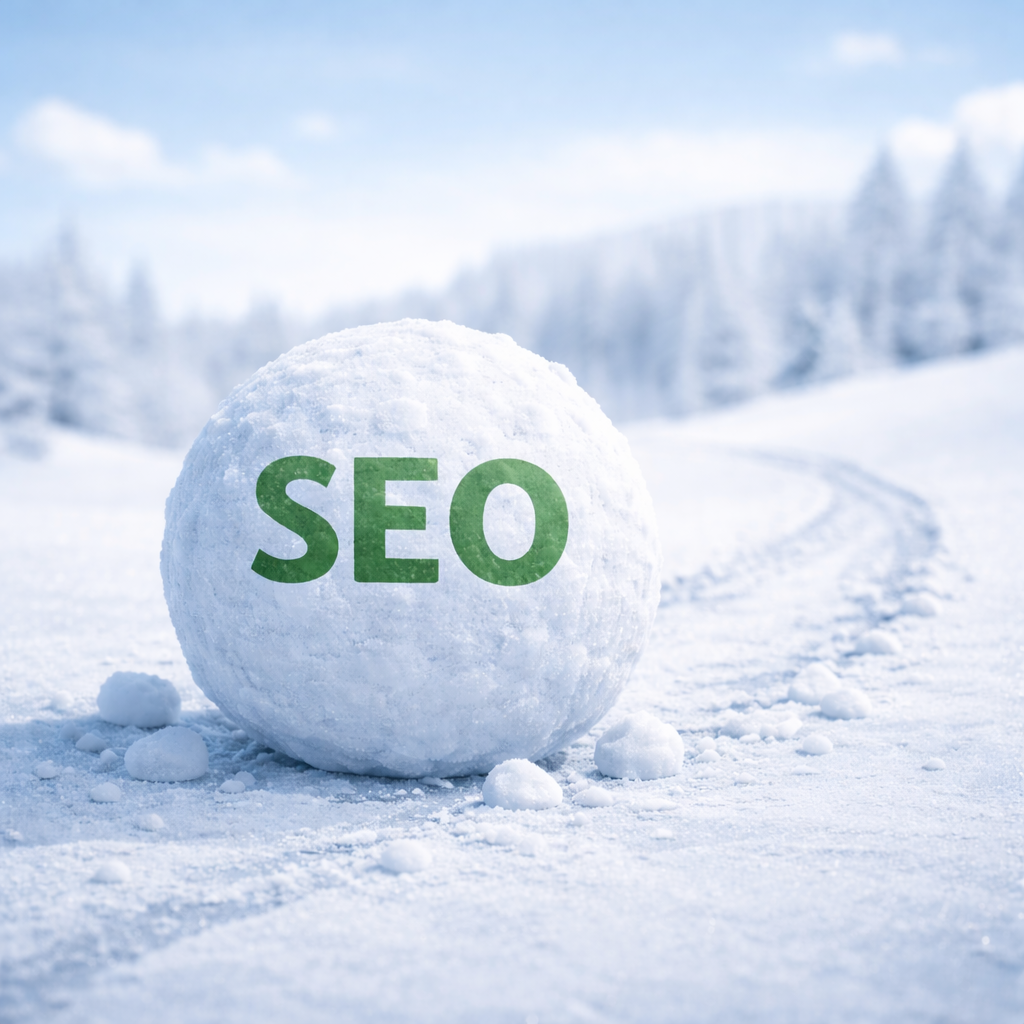
For many business owners, the choice between Search Engine Optimization (SEO) and Pay-Per-Click (PPC) advertising feels like a choice between a slow-growing forest and a microwave meal. One takes time, while the other provides instant gratification.
However, when you look at the Return on Investment (ROI) over a 12-to-24-month period, the data is clear: Paid ads stop the moment you stop paying, but a well-ranked website provides value for years.
Here is why organic traffic is the ultimate long-term growth engine for your business.
1. The “Rent vs. Own” Dilemma
Think of PPC (Google Ads) as renting traffic. You pay for a spot at the top of the page. The second you stop paying your “rent,” your visibility vanishes. You are essentially building your business on someone else’s land.
SEO, by contrast, is building equity. Every article you publish, every technical fix you implement, and every backlink you earn is an improvement to an asset you own. Over time, the cost of maintaining that asset drops while the traffic it produces continues to climb.
2. Compounding Returns
In our [SEO timeline guide], we discussed how it takes 3–6 months to see momentum. But what happens after Month 6?
- With Ads: Your cost-per-click (CPC) often stays the same or rises as competitors bid against you.
- With SEO: As your authority grows, you start ranking for “secondary” keywords you didn’t even target. One high-quality blog post can bring in 100 visitors in Month 1 and 1,000 visitors in Month 12—without costing you an extra penny.
3. Higher Trust and Click-Through Rates (CTR)
Modern users are “ad-literate.” Many savvy searchers instinctively skip the “Sponsored” results and head straight for the organic top spots. They perceive organic results as more trustworthy because Google has “earned” those spots through merit, not a credit card.+1
Higher trust leads to higher conversion rates. When a customer finds you organically, they often view you as an industry authority rather than just a vendor who paid to be seen.+1
4. The Hidden Cost of “Un-Optimized” Ad Traffic
Many Shopify owners run ads to product pages that have poor technical SEO. If your page is slow or lacks social proof, you are paying for clicks that will never convert.
Strategic SEO improves your site’s conversion rate for all traffic. For example, using a tool to display Google reviews on your store doesn’t just help your organic ranking—it ensures that the traffic you do pay for sees immediate proof of quality, lowering your overall customer acquisition cost (CAC).
5. 24/7 Global Presence
Paid ads are often limited by budget or scheduling. Once your daily budget is spent, your “window” to the world closes. An optimized website, however, is a salesperson that never sleeps. It answers questions, builds trust, and captures leads in every time zone, 365 days a year.+1
The Verdict: Diversify, but Prioritize Equity
PPC is a fantastic tool for product launches or seasonal promotions. But if it is your only source of traffic, your business is vulnerable.
By investing in a robust SEO strategy today, you are ensuring that your business has a sustainable, profitable future. You aren’t just buying clicks; you are building an automated lead-generation machine.